The Future of Mobile Apps: How Super Apps Are Changing the Digital Ecosystem

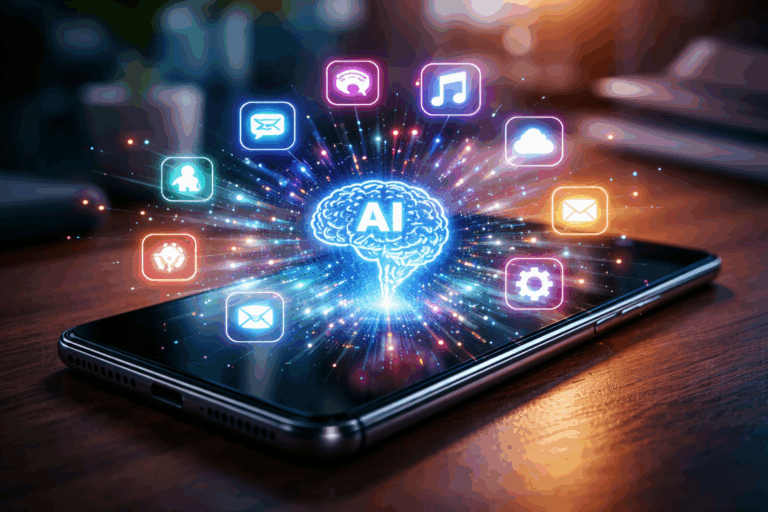
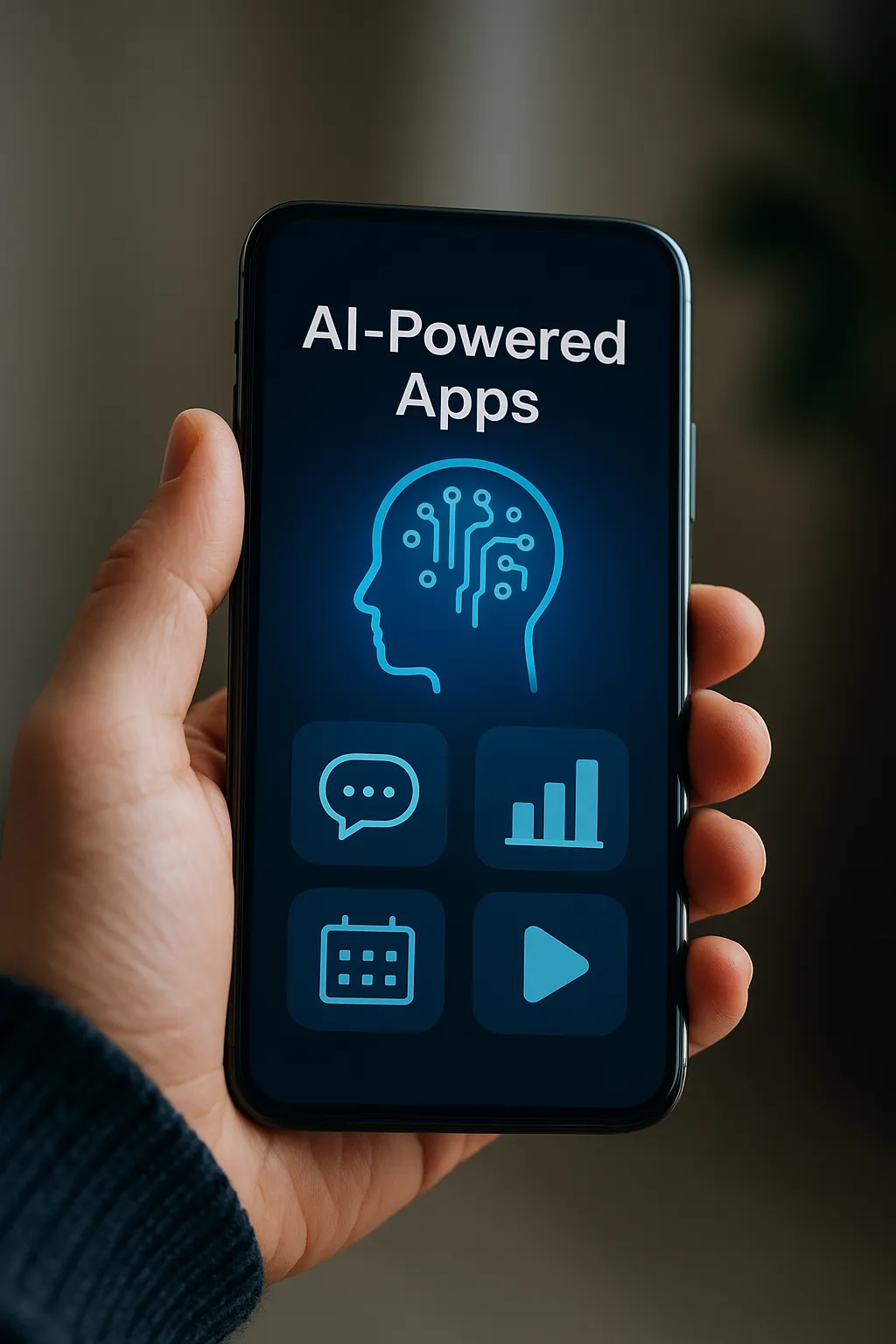
Artificial Intelligence (AI) is no longer a futuristic concept—it has become a core component of modern mobile applications. From personalized recommendations to real-time language translation, AI-powered apps are reshaping how users interact with technology on a daily basis. As smartphones become more powerful and cloud infrastructure more accessible, developers are integrating advanced AI models directly into mobile platforms, creating faster, smarter, and more intuitive applications.
This article explores how AI-driven mobile apps are transforming everyday digital experiences, why they are growing so rapidly, and what users and businesses can expect in the near future.
The rapid growth of AI in mobile apps is driven by three key factors: increased processing power, access to big data, and advancements in machine learning algorithms. Modern smartphones now support on-device AI processing, reducing latency and improving privacy.
AI allows apps to learn from user behavior and adapt accordingly. Instead of offering static features, applications can now evolve in real time, providing personalized experiences that feel natural and efficient. This shift has significantly increased user engagement and retention across multiple app categories.
Industries such as finance, healthcare, education, and entertainment are heavily investing in AI-based mobile solutions to gain a competitive advantage and meet growing user expectations.
AI-driven mobile apps offer capabilities that traditional apps simply cannot match. Some of the most impactful features include:
AI analyzes user behavior, preferences, and interaction patterns to deliver tailored content, recommendations, and notifications. This personalization increases satisfaction and keeps users engaged for longer periods.
Many apps now anticipate user needs before they are explicitly expressed. Examples include predictive text, smart reminders, financial insights, and health monitoring alerts.
Voice assistants, chatbots, and smart search functionalities rely on NLP to understand and respond to user input in a human-like way, making apps more accessible and intuitive.
AI automates repetitive tasks such as customer support responses, data organization, and scheduling, allowing users to save time and focus on higher-value activities.
AI technology is influencing almost every app category, but some sectors stand out due to rapid adoption and innovation.
Task managers, email assistants, and document scanners now use AI to prioritize tasks, summarize content, and optimize workflows.
AI-powered finance apps provide expense tracking, fraud detection, credit analysis, and personalized financial recommendations, helping users make smarter decisions.
From fitness tracking to mental health support, AI enables real-time health insights, personalized workout plans, and symptom analysis based on user data.
Photo editors, video creation tools, and music apps use AI to enhance quality, automate editing, and generate creative assets with minimal user input.
While AI enhances app functionality, it also raises concerns about data security and privacy. Responsible developers are addressing these challenges by implementing on-device AI processing, encryption, and transparent data policies.
Modern AI apps increasingly rely on edge computing, which processes data directly on the device rather than sending it to external servers. This approach reduces security risks and improves user trust.
Users are also becoming more aware of how their data is used, making privacy-focused AI applications more appealing in today’s digital ecosystem.
The future of AI-powered mobile apps looks promising and highly innovative. Several trends are expected to shape the next generation of applications:
As AI becomes more advanced and accessible, mobile apps will continue to evolve into intelligent digital companions rather than simple tools.
AI-powered mobile apps are redefining how people interact with technology by offering smarter, faster, and more personalized experiences. Their ability to adapt, predict, and automate tasks makes them indispensable in modern digital life.
For users, these apps provide convenience and efficiency. For businesses, they offer innovation, scalability, and deeper customer engagement. As AI technology continues to advance, mobile applications will play an even greater role in shaping the future of digital experiences.